-
Historic climate extremes analysis for the Wellington Region
This report follows the ‘Wellington Region Climate Change Extremes’ report completed by NIWA for Greater Wellington Regional Council in 2019 (Pearce et al., 2019). This report is considered an appendix…
alarm Published 01 Dec 2020 -
Parks Concession Guideline and Fee Schedule 2020
This guideline and fee schedule identifies fees and process for applications for concessions in regional parks. It should be read in conjunction with the:
Toitū Te Whenua Parks Network Plan 2020-30…
alarm Published 01 Dec 2020 -
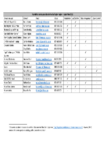
Accredited Service Providers
This document outlines all the accredited service providers within the Wellington Region.
alarm Published 01 Dec 2020 -
Wellington Region Annual Economic Profile 2020
Economic growth in New Zealand slowed to 1.6% over the March 2020 year, following revised 3.1%pa growth in 2019. The March 2020 year captures only the very early stages of…
alarm Published 01 Dec 2020 -
2019/20 Groundwater quality monitoring
Groundwater in the Wellington region is used extensively for drinking water, stock supply, irrigation and industry. Groundwater also provides baseflow to rivers, streams and wetlands, or forms natural springs or…
alarm Published 01 Dec 2020 -
Annual Report Pūrongo ā Tau 2019/20
This Annual Report describes the work that Greater Wellington Regional Council (Greater Wellington) has undertaken between 1 July 2019 and 30 June 2020. It focuses on actual performance against what…
alarm Published 01 Dec 2020 -
Conservation status of native bird species in the Wellington region
The conservation status of the native bird species in the Wellington region has been assessed by an expert panel. Forty-three bird species were identified as being Regionally Threatened and six…
alarm Published 01 Dec 2020 -
Greater Wellington Regional Council Briefing to Incoming Ministers 2020/21
Located in our capital city and including the Wairarapa and Kāpiti Coast, Greater Wellington is one of the
largest and most diverse regional councils in New Zealand. We manage the country’s…alarm Published 01 Dec 2020 -
Key Native Ecosystem Operational Plan for Keith George Memorial Park 2020-2025
The Key Native Ecosystem (KNE) Programme seeks to protect some of the best examples of ecosystem types in the Wellington region by managing, reducing, or removing threats to their values.…
alarm Published 01 Dec 2020 -